Best Drill Bit for Every Material: Complete Comparison & Selection Guide (2026)
Choosing the best drill bit isn’t just about making a hole—it’s a high-stakes game of metallurgy, thermal management, and matching the right geometry to your substrate. For professional contractors and serious tradespeople, time is money. A burned-out bit halfway through a steel I-beam or a shattered tile in a custom bathroom isn't just an inconvenience; it’s a hit to your bottom line. At BuildToolHQ, we’ve spent thousands of hours testing High-Speed Steel (HSS), Cobalt, and Carbide across every imaginable surface to bring you this definitive guide for 2026.
Overview: The Anatomy of a Drill Bit
Before you chuck a bit into your drill, you need to understand what it is made of and how its geometry affects the cut. A drill bit functions as a rotary cutting tool, shearing material away while relying on its flutes to evacuate the chips. The two most critical factors in any bit are its material composition and its point angle.
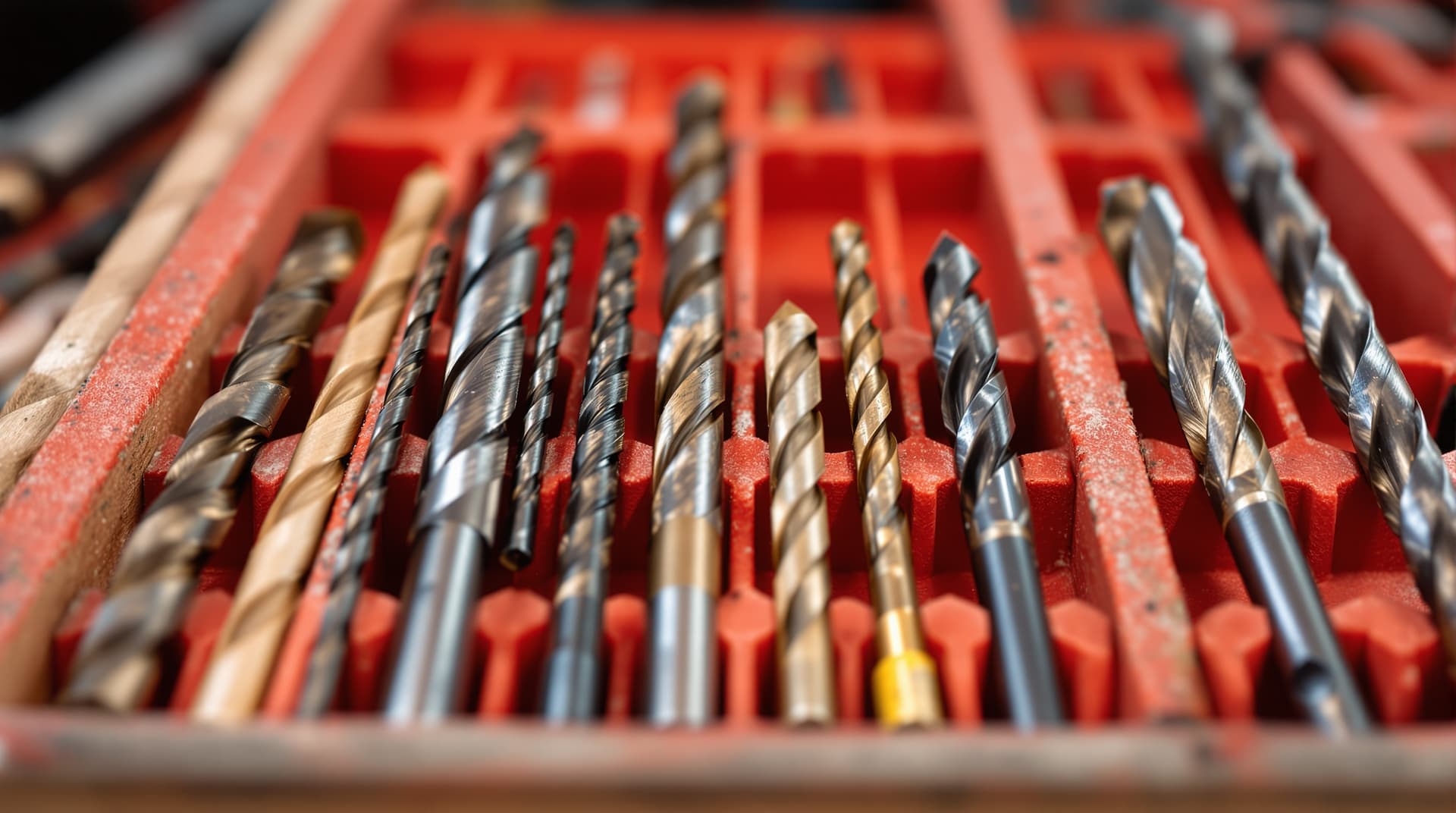
- Material Composition: Most bits start as High-Speed Steel (HSS). For harder materials, manufacturers alloy the steel with Cobalt (typically 5% for M35 or 8% for M42) to increase heat resistance. For the hardest masonry or tile substrates, solid Tungsten Carbide or Carbide-tipped bits are required.
- Point Angle: Standard general-purpose bits feature a 118-degree point angle, which is suitable for wood and soft plastics. However, professional metalworking bits utilize a flatter 135-degree split point. This split-point design prevents the bit from "walking" or skating across smooth metal surfaces when you start the hole.
Material Selection: When to Use Which Bit
Every material shears, chips, or powders differently. If you try to force a one-size-fits-all bit through diverse materials, you will inevitably destroy the tool or the workpiece. Here is the breakdown of what geometry and alloy to use based on your material.
Wood and Timber
Wood is relatively soft, but it presents a unique challenge: tear-out. Standard HSS twist bits will cut wood, but they leave splintered edges. To get professional results, you need bits designed specifically for wood fibers.
- Brad-Point Bits: These feature a sharp center spur that pins the bit in place, followed by sharp outer cutting lips that slice the wood fibers before the center of the bit removes the waste. These are essential for clean, visible holes in cabinetry and finish carpentry.
- Auger Bits: When framing rough lumber or boring deep holes for electrical wiring, auger bits are the standard. They feature a screw tip that pulls the bit through the wood and wide, deep flutes that clear heavy chips rapidly without binding.
- Forstner Bits: When you need a perfectly flat-bottomed hole—such as for Euro-style cabinet hinges—Forstner bits are unmatched. They are designed to be run at lower RPMs, typically in a drill press, for maximum control.
Metal and Steel
Drilling metal requires managing friction and heat. For soft metals like aluminum, a standard HSS bit with a Titanium Nitride (TiN) coating works perfectly, reducing friction and extending the tool's life. However, if you are choosing bits for steel and metal, you need something tougher.
For structural steel, cast iron, and stainless steel, Cobalt bits are the professional standard. M35 (5% cobalt) bits offer excellent durability for daily job site use, while M42 (8% cobalt) bits can withstand extreme heat for drilling hardened alloys. Unlike titanium coatings, which wear off after heavy use or sharpening, cobalt is baked into the entire alloy, meaning the bit retains its heat resistance even after being ground down. If you want a deeper dive into this, check out our guide on the differences between titanium and cobalt alloys.
Masonry, Concrete, and Brick
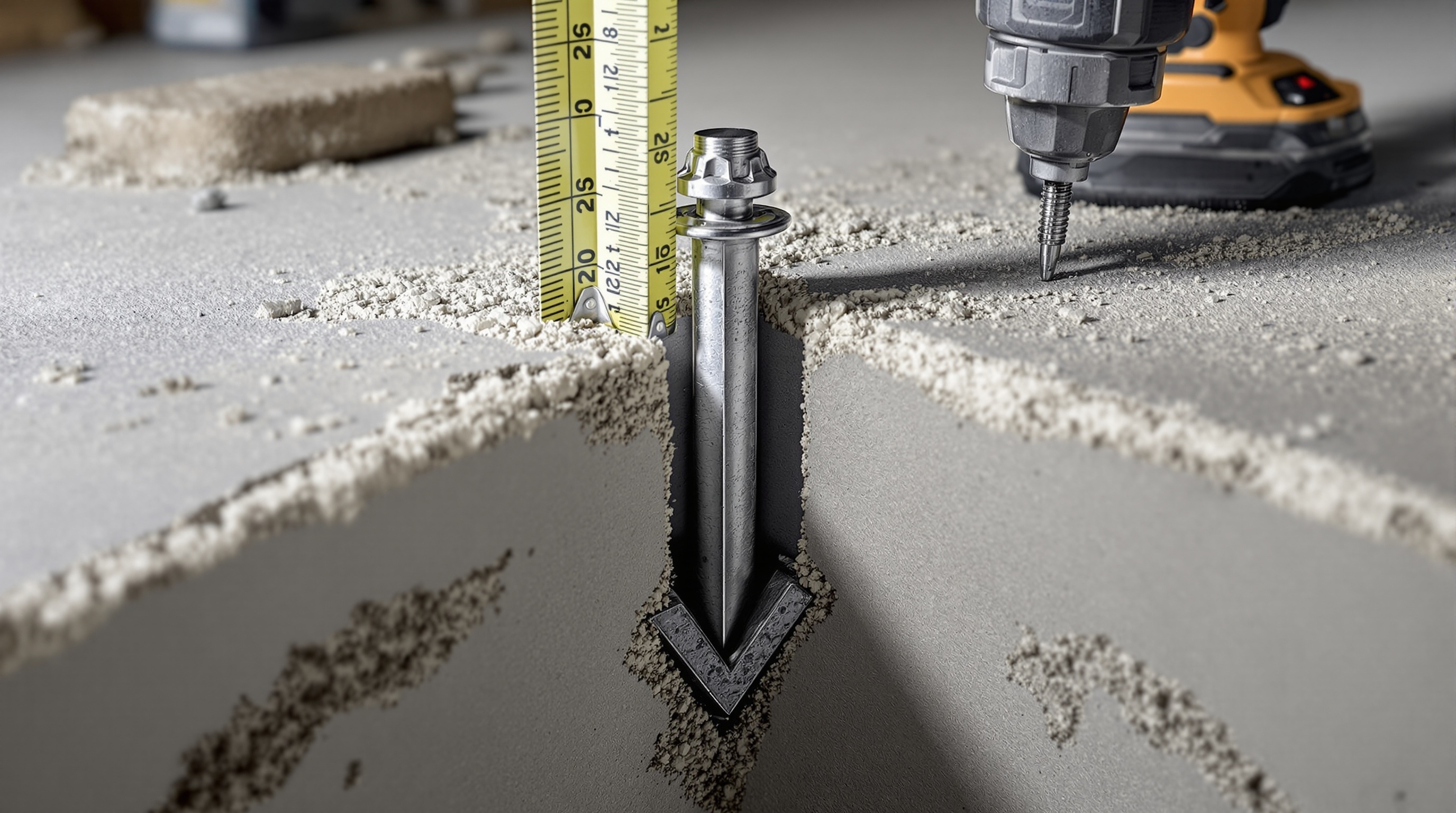
You cannot cut concrete; you have to pulverize it. Masonry bits utilize a blunt, hammer-shaped Tungsten Carbide tip brazed onto a steel shaft. These bits rely on the percussion of a hammer drill or rotary hammer to shatter the aggregate, while the flutes clear the dust.
For standard brick or cinder block, a straight-shank carbide-tipped bit in a standard hammer drill is sufficient. However, for poured foundations or old, high-PSI concrete, you need a true rotary hammer utilizing SDS-Plus or SDS-Max shanks. These slotted shanks allow the bit to piston back and forth independently of the chuck, delivering massive kinetic energy directly to the carbide tip. For a full breakdown on navigating concrete and masonry drilling, always match your bit's shank to the heavy-duty tool you are running.
Glass, Tile, and Porcelain
Drilling glass and modern porcelain tile requires an entirely different approach. These materials are incredibly hard but highly brittle. The best bit for this application is a diamond-coated hole saw or a carbide spear-point bit.
Carbide spear-point bits scrape away the glaze and ceramic at low speeds, while diamond core bits grind through the material. Both require constant water cooling to prevent the substrate from cracking due to thermal shock.
Key Differences: Coatings vs. Solid Alloys
A major point of confusion on the job site is the difference between coated bits and solid alloy bits. Titanium (TiN, TiCN, TiAlN) and black oxide are surface treatments. They reduce friction, prevent rust, and hold lubricants well. However, the moment you sharpen a coated bit, you grind away that hard outer shell, exposing the softer HSS underneath.
Cobalt bits (M35 and M42) are not coated; they are solid alloys. They are significantly more brittle than HSS, meaning they can snap if you apply uneven lateral pressure, but their heat resistance is unparalleled. A cobalt bit can glow dull red from friction and still retain its temper and cutting edge.
Pro Tips for Optimal Drilling
Having the right bit is only half the battle; technique dictates the lifespan of your tooling.
- Manage Your Feeds and Speeds: The hardest materials require the slowest RPMs and the heaviest feed pressure. Spinning a bit too fast on steel just creates friction, rapidly dulling the cutting edge.
- Use Cutting Fluids: When drilling thick metal, always use a high-quality cutting fluid (like Tap Magic or specialized cutting oils). Lubrication reduces friction, clears chips, and significantly drops the temperature at the cutting edge.
- Step Drilling: If you need to drill a 1/2-inch hole in 1/4-inch plate steel, do not start with a 1/2-inch bit. Start with a 1/8-inch pilot hole, step up to a 5/16-inch, and then finish with the 1/2-inch bit. This reduces the load on the bit's web and requires less physical force.
Common Mistakes on the Job Site
The fastest way to burn through your tooling budget is bad technique. The most common mistake contractors make is running a bit dry at maximum RPMs against a hard surface. If you see blue chips or the tip of your bit turns blue, you have ruined the temper of the steel. Once a bit turns blue, it softens and is effectively dead.
Another frequent error is using a wood bit (like a spade bit or brad-point) on metal, or trying to use a standard HSS bit on masonry. Always verify the bit material before pulling the trigger. To understand the physics behind tooling failure, review our article on why drill bits fail, burn up, or snap.
Buying Advice: Contractor-Grade Choices
When purchasing drill bits, skip the 200-piece mega-kits sold in big-box stores for $30. These are typically low-grade carbon steel that will dull on their first serious outing.
Instead, invest in high-quality index sets from reputable manufacturers. For general metalworking and heavy-duty use, look for Norseman’s Magnum Super Premium line or Champion Cutting Tool's jobber sets. If you prefer off-the-shelf availability, Milwaukee's Cobalt Red Helix bits offer excellent geometry for heavy steel. For concrete, Bosch Bulldog Xtreme SDS-Plus bits remain the gold standard for masonry contractors due to their robust carbide heads and optimized dust-clearing flutes.
Conclusion
Matching the right drill bit to your material is the hallmark of a professional. By understanding the differences between High-Speed Steel, Cobalt alloys, and Tungsten Carbide, you can drill faster, cleaner, and with significantly less downtime. Respect the metallurgy, monitor your drill speeds, always use cutting fluid on metal, and invest in contractor-grade tooling that will survive the rigors of the modern job site.