Best Drill for DIY Projects & Home Use (2026 Buying Guide)
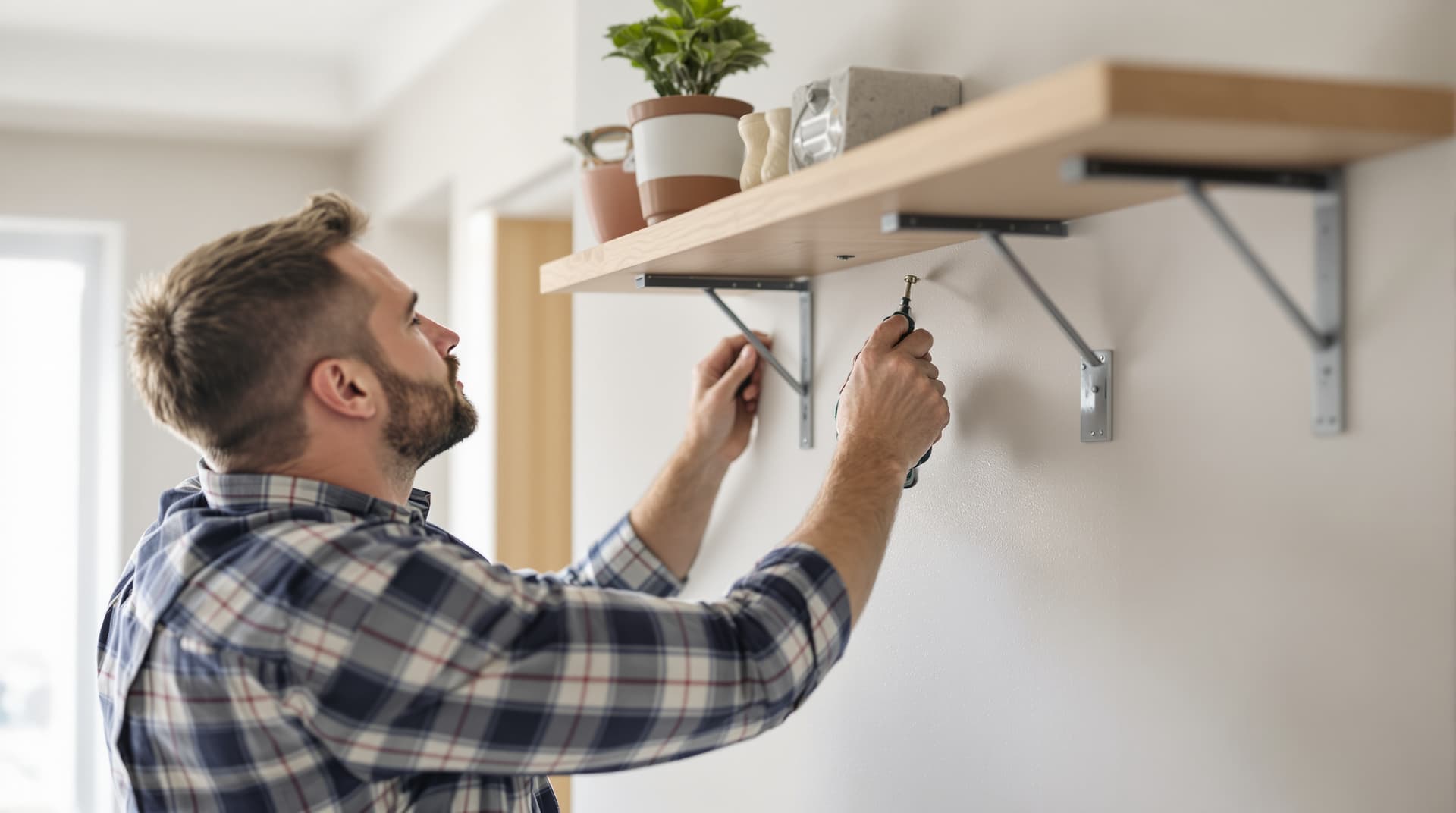
Whether you're mounting a TV, hanging shelves, assembling furniture, or tackling a weekend repair list, a drill is the one power tool every homeowner reaches for constantly. But the tool aisle is a wall of confusing numbers — voltage, torque, RPM, amp-hours — and it's easy to either overspend on contractor-grade gear you'll never need, or underspend on something that strips screws and stalls on the first deck board.
This guide cuts through the marketing and focuses on what actually matters: matching the drill to your real workload, understanding the handful of specs that determine performance, and using it correctly once you've bought it.
What a Drill Actually Does
A drill (technically a "drill/driver") does two things: bores holes and drives fasteners. Three components determine how well it does both:
- The motor generates torque (rotational force).
- The gearbox regulates speed (RPM) — most quality drills have a low/high switch.
- The chuck is the clamp that holds your bit. A clutch — the numbered collar behind the chuck — disengages the motor at a set torque threshold, so you stop short of stripping a screw or tearing through drywall.
Match the Drill to the Job
Not every project needs the same tool. Think in three tiers:
- Light duty — assembling furniture, cabinet hardware, hanging lightweight drywall, curtain rods. A compact 12V drill (around 200–400 in-lbs of torque) handles this easily and is light enough for one-handed overhead work.
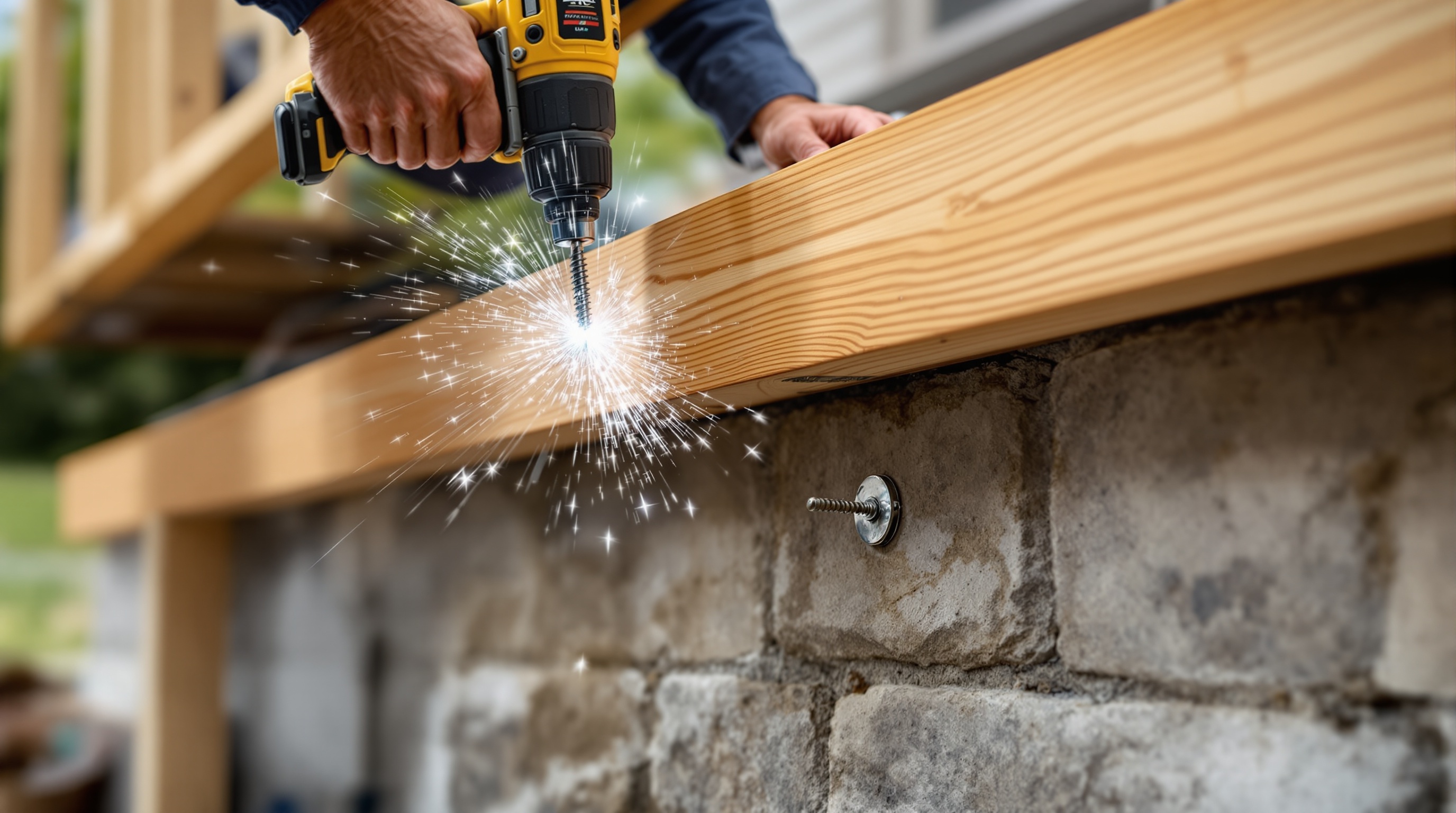
- Medium duty — mounting TVs and shelves into studs, deck repairs, framing with 2x4s, driving standard wood screws. This is the sweet spot for a standard 18V/20V drill/driver (350–500 in-lbs).
- Heavy duty — large-diameter holes with hole saws, lag bolts into structural timber, frequent masonry work. Look for a premium 18V/20V drill with 500+ in-lbs and an all-metal gearbox.
For the vast majority of homeowners — TVs, shelves, weekend repairs — a compact 12V brushless drill or a lightweight 18V/20V compact model is the right call, not the biggest tool on the shelf.
Drill/Driver vs. Impact Driver
If you're building out a tool kit, these two complement each other rather than compete:
- Drill/driver — best for pilot holes, drywall anchors, cabinet hardware, and anywhere you need precise clutch control to avoid stripping a fastener or blowing through drywall paper.
- Impact driver — best for long screws, lag bolts, and dense material, where sudden rotational "hammer" pulses prevent cam-out. Faster for repetitive fastening, but with less fine clutch control for delicate work. For deck and framing fasteners specifically, see our structural screws vs. lag bolts guide.
If you only buy one tool, get the drill/driver — it covers more home tasks. If you do enough projects to justify two tools, get both on the same battery platform: drill for hole-making and finish work, impact driver for fasteners.
12V vs. 18V/20V: What the Numbers Actually Mean
Don't be fooled by "20V Max" marketing — 20V Max and 18V batteries are the same technology, just measured at peak charge vs. nominal load. The real decision is compact vs. full-size:
- 12V class (Milwaukee M12, Bosch 12V Max) — typically under 3 lbs with battery, 350–400 in-lbs of torque. Covers roughly 80% of homeowner needs while saving significant weight and wrist fatigue, especially for overhead and tight-space work.
- 18V/20V class (DeWalt 20V MAX, Makita 18V LXT, Milwaukee M18) — heavier but won't bog down on long screws, framing, or repeated heavy use.
Standard Drill vs. Hammer Drill
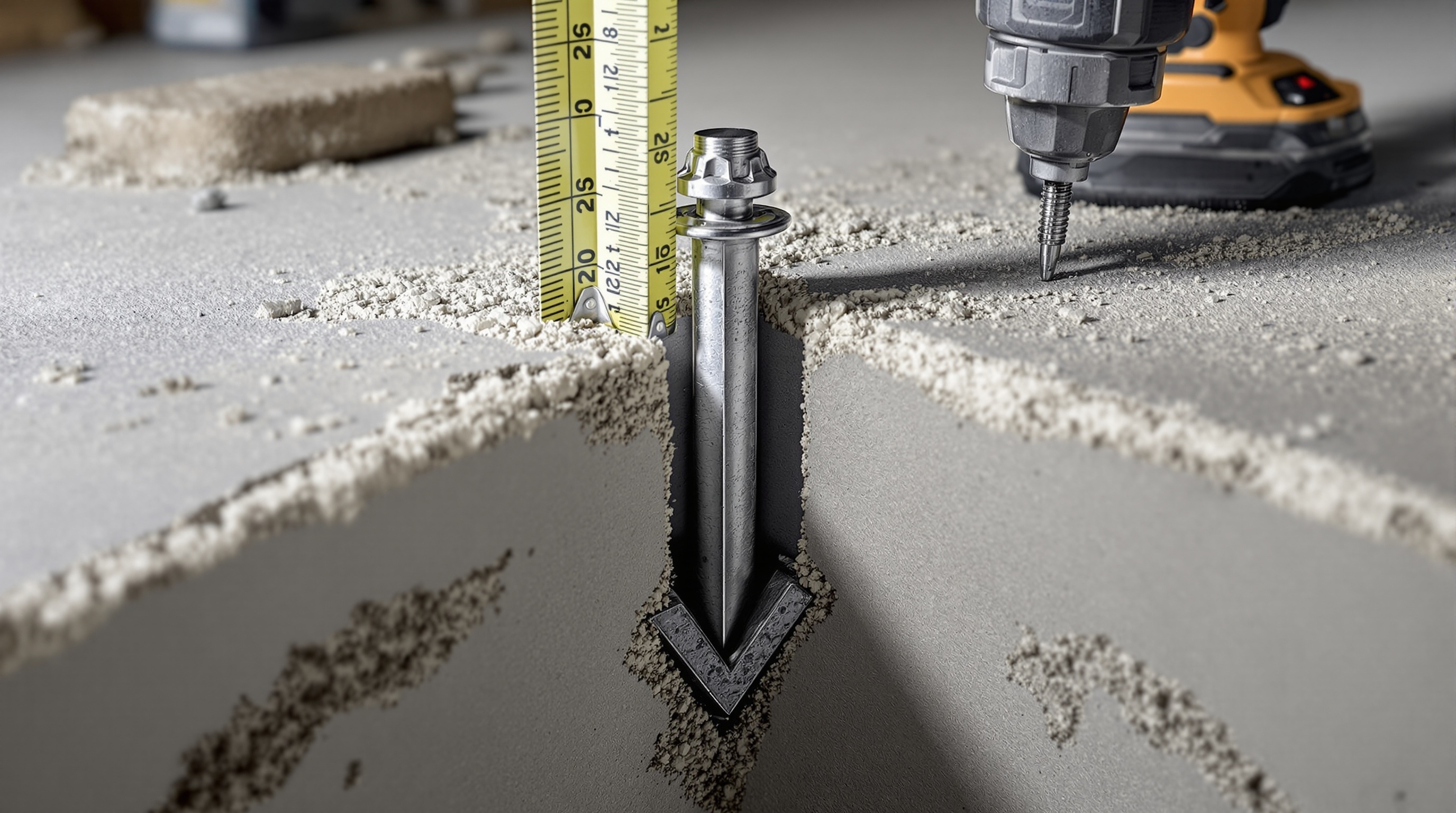
If your home has brick exterior walls, a concrete block foundation, or you're mounting a TV over a brick fireplace, this distinction matters. A standard drill spins rotationally; a hammer drill adds a rapid percussive pulse (up to 30,000 BPM) that pulverizes masonry as the bit spins. A standard drill will overheat and dull bits quickly if forced into concrete or brick. The good news: a hammer drill can always be switched to drill-only mode, so it's a versatile do-it-all option if you're buying just one tool and might encounter masonry. For masonry-specific bit selection, see our drill bits guide.
Brushed vs. Brushless Motors
Brushless motors use an electronic circuit board instead of carbon brushes to deliver power. They run cooler, last longer, and deliver up to 30–50% more runtime per charge. Brushed tools are cheaper upfront, but the industry has moved to brushless as the standard — the extra $20–$30 is worth it for a tool you'll keep for years.
Not sure what tools your specific project needs?
Tell our free AI Project Tool Finder what you're building — mounting a TV, building a deck, hanging shelves — and it'll recommend the exact tools, fasteners, and bit sizes for the job.
Try the Project Tool Finder →Buying Checklist: What Actually Matters
- Chuck: Avoid plastic. A metal, ratcheting 1/2" chuck is the professional standard and won't let bits slip under load. (3/8" chucks are fine on ultra-compact 12V drills for light work.)
- Two-speed gearbox: Speed 1 (low RPM, high torque) for driving screws; Speed 2 (high RPM, low torque) for drilling holes. Non-negotiable.
- Adjustable clutch: Multiple torque settings prevent stripped screws and blown-through drywall — set low for drywall/softwood, higher for hardwood.
- Battery capacity: A 1.5–2.5Ah battery keeps the tool light and is plenty for intermittent home use. Consider a spare battery if you do longer projects.
- Ergonomics: Pick it up before you buy. Look for a head length under 7" so it fits in cabinets and tight spaces, and a balanced (not front-heavy) feel.
- LED work light: Essential for closets, under sinks, and dim rooms.
- Battery ecosystem: You're buying into a platform, not just a drill. Ryobi ONE+ is excellent value for budget-conscious homeowners; DeWalt 20V MAX, Makita LXT, and Milwaukee M12/M18 cater to those who'll add more tools later.
Pro Tips for Better Results
- Always drill pilot holes near the edge of wood — match the pilot diameter to the screw's root (the solid core), not the outer thread diameter, to prevent splitting.
- The tape depth trick: Wrap painter's tape around the bit at your target depth so you don't drill too deep and hit wiring or plumbing behind drywall.
- Use the clutch for drywall: Set it low (around 3–4) so the drill stops the instant the screw is flush, instead of tearing through the paper face.
- Start slow: Ease into the trigger to create a small starting divot before ramping up — this stops the bit from wandering across the surface.
- Rotate batteries on longer jobs, and store lithium-ion batteries partially charged in a cool, dry spot — leaving them on the charger in a hot garage degrades them over time.
Common Mistakes to Avoid
Wrong bit for the material. A wood bit on brick (or vice versa) dulls instantly and overheats the tool. Match the bit to the substrate.
Driving fasteners on high speed. High RPM means almost no torque — always shift to Speed 1 (low gear) for screws, or you'll strip heads and overheat the motor.
Pushing too hard. A sharp bit and the drill's rotation should do the work. Leaning your body weight in usually means a dull bit or wrong gear — and leads to snapped bits and stripped screws.
Cam-out from mismatched bits. Make sure your driver bit size matches the screw head exactly (a #1 Phillips bit on a #2 screw will slip and strip the head) and apply firm, straight pressure.
Covering the motor vents. Even brushless motors need airflow — blocking the vents in tight spaces can trigger thermal shutoff mid-job.
Conclusion
For most homeowners — mounting TVs, hanging shelves, weekend repairs — a compact 12V or lightweight 18V/20V brushless drill/driver with a metal chuck, two-speed gearbox, and adjustable clutch is the sweet spot. Step up to a higher-torque 18V/20V model only if you're regularly framing, decking, or driving large fasteners, and add an impact driver to the same battery platform once you're doing enough fastening work to justify it. Get the fundamentals right — pilot holes, correct gear, matched bits — and a mid-range brushless drill will outperform an expensive tool used poorly.