Best Drill Bit for Steel and Metal (Complete Guide)
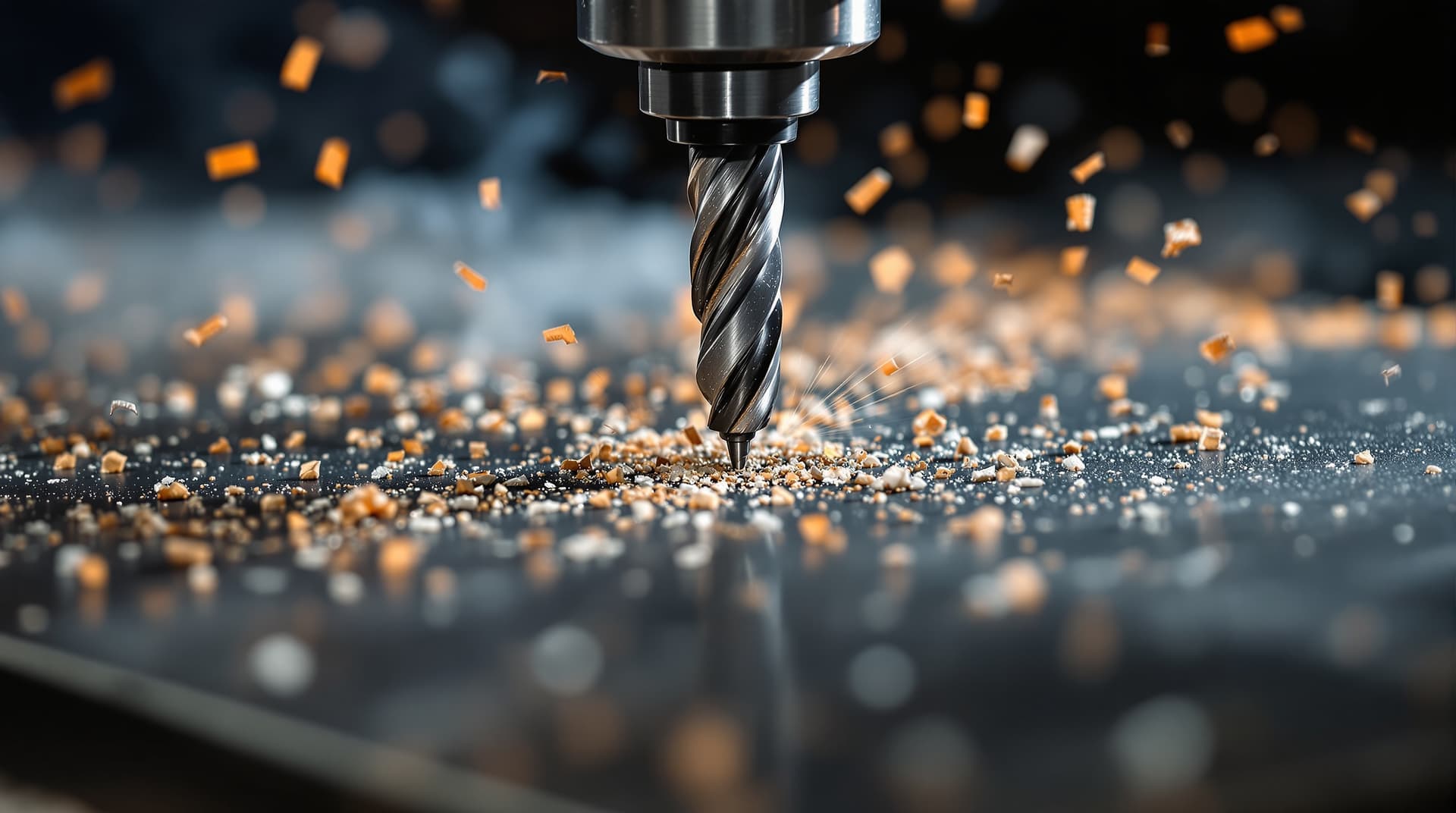
Drilling into steel and metal is entirely different from boring through wood or drywall. When a steel bit meets a metal surface, friction instantly generates intense heat. If you use the wrong bit, that heat destroys the cutting edge in seconds, leaving you with a blunt tool, a smoking workpiece, and zero progress. To drill effectively through everything from soft aluminum flashing to hardened stainless steel I-beams, you need drill bits manufactured with specific alloys, coatings, and tip geometries.
Whether you are fabricating structural brackets, modifying a vehicle chassis, or hanging unistrut in a commercial facility, relying on generic, cheap drill bits is a guaranteed way to waste time and money. This guide covers the exact bit materials, point angles, and drilling techniques required to cut clean, precise holes through any metal surface.
What Makes a Drill Bit Good for Metal?
Standard drill bits are made from High-Speed Steel (HSS). While standard HSS is adequate for wood or plastics, continuous friction against harder metals quickly compromises its structural integrity. To survive metal drilling, the base high-speed steel must be modified with advanced coatings or mixed with harder alloys.
Beyond the material composition, the geometry of the bit determines its effectiveness. When shopping for metal-drilling bits, the primary specification to look for is a 135-degree split point. Traditional drill bits feature a 118-degree point, which is steeper and prone to "walking" or skating across the metal surface before it bites. A 135-degree split point sits flatter against the metal and begins cutting immediately, eliminating the need for a pilot hole in thinner materials and dramatically improving accuracy.
When to Use Specific Metal Drill Bits
Metals vary wildly in hardness and thickness. The optimal bit for a thin sheet of aluminum will fail immediately against half-inch thick cast iron. Match your bit to the material you are working with:
- Aluminum, Brass, and Copper: These are non-ferrous, soft metals. Standard HSS bits or Black Oxide coated bits will slice through these with ease. However, because they are soft, the metal can melt and adhere to the bit flutes if you drill too fast.
- Mild Steel and Sheet Metal: Standard structural steel, angle iron, and automotive sheet metal require a harder cutting edge. Titanium-coated bits excel here, reducing friction and extending the life of the bit. For thin sheet metal, a step bit (unibit) is the superior choice to prevent distortion and tearing.
- Stainless Steel, Cast Iron, and Hardened Steel: These materials are incredibly dense and will strip the edge off standard HSS instantly. You must use Cobalt alloy bits (M35 or M42) for these applications. The alloy withstands the extreme heat without losing its temper.
Key Differences: Black Oxide vs. Titanium vs. Cobalt
Understanding the metallurgical differences between metal drill bits is the most important factor in your purchasing decision. When you are weighing the differences between titanium and cobalt, you are actually choosing between a surface coating and a solid alloy.
Black Oxide
Black oxide is a surface treatment applied to standard HSS bits. This treatment provides mild corrosion resistance and reduces friction slightly by retaining drilling lubricants better than bare steel. These are entry-level bits, suitable for occasional light-duty work in non-ferrous metals or very thin mild steel. They will burn out quickly under heavy professional use.
Titanium Nitride (TiN)
Recognizable by their bright gold color, titanium bits feature a titanium nitride ceramic coating over a standard HSS core. This coating drastically reduces friction, which keeps the bit cooler and extends its lifespan up to six times longer than standard HSS. They are excellent for production work in mild steel. However, because it is just a coating, once the edge dulls, the bit cannot be sharpened without grinding away the protective titanium layer.
Cobalt (M35 and M42)
Unlike titanium, cobalt is not a coating. Cobalt bits are manufactured from a solid alloy of steel mixed with either 5% (M35) or 8% (M42) cobalt. This solid construction means cobalt bits can withstand drilling temperatures up to 1,100 degrees Fahrenheit without losing their cutting edge. Because the material is consistent throughout, they can be sharpened repeatedly on a bench grinder or drill doctor. They are more brittle than standard HSS, but they are the undisputed champions for drilling heavy-duty steel and cast iron.
Pro Tips for Drilling Through Steel and Metal
Buying the best drill bit is only half the equation; applying proper technique is what actually gets the hole drilled. Use these professional practices on your next job:
- Use Cutting Fluid: Never drill thick steel dry. Friction is the enemy of any cutting tool. Using a specialized cutting fluid (like Tap Magic or Oatey Dark Thread Cutting Oil) acts as a coolant and a lubricant. It preserves the temper of the bit and helps clear metal chips from the flutes.
- Control Your RPMs: Speed kills metal drill bits. The harder the metal, the slower your drill speed needs to be. Spinning a bit at maximum speed generates catastrophic heat. Understand your drill's RPM and torque settings, lock it into gear 1 (low speed, high torque), and apply steady pressure. You want the bit to cut long, continuous spiral chips, not fine metal dust.
- Use a Center Punch: Even with a 135-degree split point, striking a steel center punch with a hammer creates a tiny divot that anchors the tip of your drill bit perfectly on your layout mark, ensuring absolute precision.
- Step Up Your Hole Size: When drilling holes larger than 3/8-inch in thick steel, do not start with the largest bit. Drill a 1/8-inch or 3/16-inch pilot hole first. This reduces the amount of material the larger bit has to remove, significantly lowering the required torque and heat generation.
Common Mistakes When Drilling Metal
Even seasoned tradespeople occasionally destroy bits by rushing the process. Avoid these frequent errors to get the most out of your tool investment.
The most common mistake is applying too little pressure while running the drill at high speed. This causes the bit to rub against the metal rather than cut it. The rubbing generates massive friction, which causes a process called "work hardening" in the metal surface. Once the spot hardens, even a premium cobalt bit will struggle to penetrate it. This user error is a leading factor in what causes drill bits to overheat and snap.
Another common failure is breaking small diameter bits (1/8-inch and under). Because cobalt is a harder alloy than standard steel, it is naturally more brittle. If you tilt the drill even slightly off-axis while bearing down on a small cobalt bit, it will shatter inside the hole. Keep your wrists locked and the drill perfectly perpendicular to the workpiece.
Buying Advice: Finding the Right Set
When investing in a metal drill bit set, skip the generic 100-piece kits found in the discount bins. For professional and serious DIY use, you want a dedicated index of high-quality bits.
Look for M35 (5% Cobalt) sets with a 135-degree split point for everyday structural metalwork. M42 (8% Cobalt) is excellent but highly brittle, making it better suited for stationary drill presses rather than handheld drills. Premium brands that consistently deliver durability include Norseman (their Magnum Super Premium line is an industry standard), Milwaukee (Red Helix Cobalt), and DeWalt (Cobalt Pilot Point).
If your daily work involves modifying electrical panels, HVAC ductwork, or automotive bodies, invest in a high-quality set of step bits (like those from Irwin or Klein Tools). Their stepped geometry prevents the bit from grabbing thin sheet metal and tearing it out of your hands.
Conclusion
Successfully drilling through steel and other metals requires treating the task like a machining operation, not a woodworking job. By selecting the right material—titanium for fast work in mild steel, or solid cobalt for heavy, hardened metals—and managing heat through proper RPMs and cutting fluid, you will cut cleaner holes and save money on replacement bits.
Respect the physics of metalworking: use sharp tools, go slow, and apply firm, steady pressure. Once you master metal drilling, you will be well-equipped to tackle any demanding project on the jobsite. For a broader look at equipping your toolbox, check out our guide on pairing the right bit with every building material.