Common Drill Mistakes Homeowners Make (And How to Avoid Them)
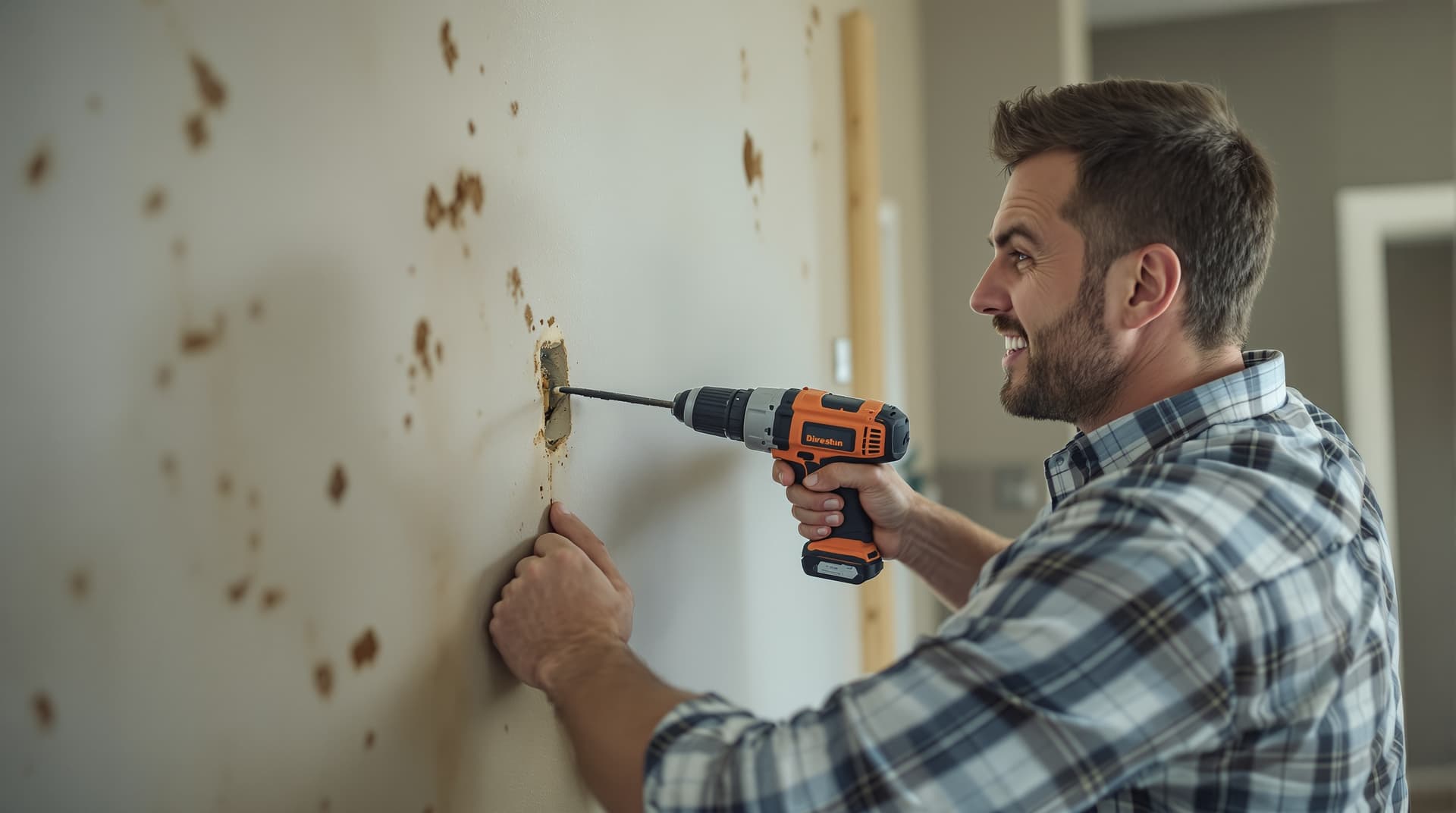
Many problems homeowners experience when using a power drill do not stem from owning a subpar tool. Instead, stripped screws, crooked holes, splintered wood, damaged drywall, and broken drill bits are almost always the direct result of poor technique or incorrect tool settings. Modern cordless drills from brands like DeWalt, Makita, and Milwaukee deliver incredible torque and speed, but without the right knowledge, that power can quickly ruin a project.
This comprehensive guide breaks down the mechanics of proper drilling, the most common drill mistakes homeowners make, and the expert techniques you need to drive fasteners and bore holes like a seasoned contractor.
The Mechanics of Proper Drilling: An Overview
At its core, drilling is about the precise intersection of three elements: rotational speed (RPM), downward pressure (feed rate), and the geometry of the cutting tool. When you operate a drill, you are continuously balancing these factors against the density of the material you are working with.
For example, boring a clean half-inch hole through oak requires a vastly different approach than driving a standard Phillips-head screw into a pine stud. Failing to adjust your technique for the specific task at hand causes excess friction, loss of control, and ultimately, damaged materials.
When to Use Specific Techniques
Contractors know that a drill serves two distinct primary functions: making holes and driving fasteners. You must treat these two operations differently.
- When Drilling Holes: Prioritize bit sharpness, straight alignment, and continuous material removal. You want steady pressure to allow the flutes of the bit to clear out dust and shavings.
- When Driving Fasteners: Prioritize torque control and bit engagement. Your primary goal is keeping the driver bit seated firmly inside the screw head to prevent it from slipping out (a phenomenon known as cam-out).
Key Differences: Drill Settings and Gear Modes
One of the easiest ways to ruin a workpiece is by ignoring your drill's built-in transmission and clutch settings. Most standard 18V or 20V Max cordless drills feature a two-speed gearbox switch on the top of the motor housing.
- Gear 1 (Low Speed, High Torque): Typically caps out around 400 to 500 RPM. This gear provides maximum twisting force. You should use Gear 1 for driving long screws, using large hole saws, or boring with heavy spade bits where resistance is high.
- Gear 2 (High Speed, Low Torque): Usually spins between 1,500 and 2,000 RPM. This setting is strictly for drilling holes with standard twist bits in wood, metal, and plastic. High speed creates the cutting action necessary to slice through material quickly.
Using Gear 2 to drive a three-inch deck screw is a guaranteed way to strip the screw head or lose control of the tool.
Common Drill Mistakes Homeowners Make
1. Using the Wrong Drill Bit for the Material
A drill bit is not a universal tool. One of the most frequent DIY errors is grabbing the closest bit in the toolbox regardless of what needs to be drilled. Using a standard High-Speed Steel (HSS) bit on concrete will instantly dull the bit, while using a spade bit on thin sheet metal will cause dangerous snagging. To achieve clean, accurate results, you must match the cutting geometry to the surface. If you are unsure where to start, reviewing a comprehensive breakdown on selecting the optimal drill bit for your material is mandatory before starting your project.
2. Overheating the Bit (Improper Speed and Pressure)
When drilling into hard materials like steel or thick hardwoods, homeowners often squeeze the trigger to maximum speed and push as hard as possible. This is a severe mistake. Excessive RPMs on hard materials generate extreme friction, which destroys the bit's temper (hardness). Once a bit turns blue or black at the tip, it is permanently ruined. Understanding why drill bits overheat and snap comes down to managing your feed rate—slow your speed and let the sharp cutting edges do the work.
3. Ignoring the Clutch Ring
The numbered collar located behind the drill chuck is the clutch. It controls how much torque is applied before the drill automatically disengages the drive, producing a clicking sound. Homeowners routinely leave the clutch set to "Drill Mode" (usually indicated by a drill bit icon) when driving screws. Drill mode locks the clutch, applying 100% of the motor's torque. This is why screws get overdriven deep into drywall or snap completely in half. Always set the clutch to a low number for small screws, gradually increasing the number until the screw sits perfectly flush.
4. Skipping the Pilot Hole
Driving a thick screw near the edge of a board without a pilot hole forces the wood fibers apart, resulting in an ugly, structurally weak split. A pilot hole removes the exact amount of material needed to accommodate the solid core (the shank) of the screw, leaving only the threads to bite into the wood. Always pre-drill a hole that is slightly smaller than the diameter of your screw threads.
5. Off-Axis Drilling and Cam-Out
Cam-out occurs when the driver bit slips out of the screw head under pressure, immediately stripping the metal cross-section. This almost always happens because the drill is not perfectly perpendicular to the work surface. If you tilt the drill up, down, or to the side, the bit loses full engagement. Always position your body so you can apply direct, straight-line pressure through the back of the drill motor directly into the fastener.
Pro Tips for Flawless Drilling
Professional tradespeople utilize simple, highly effective habits to improve their drilling accuracy and efficiency. Implement these strategies into your next DIY project:
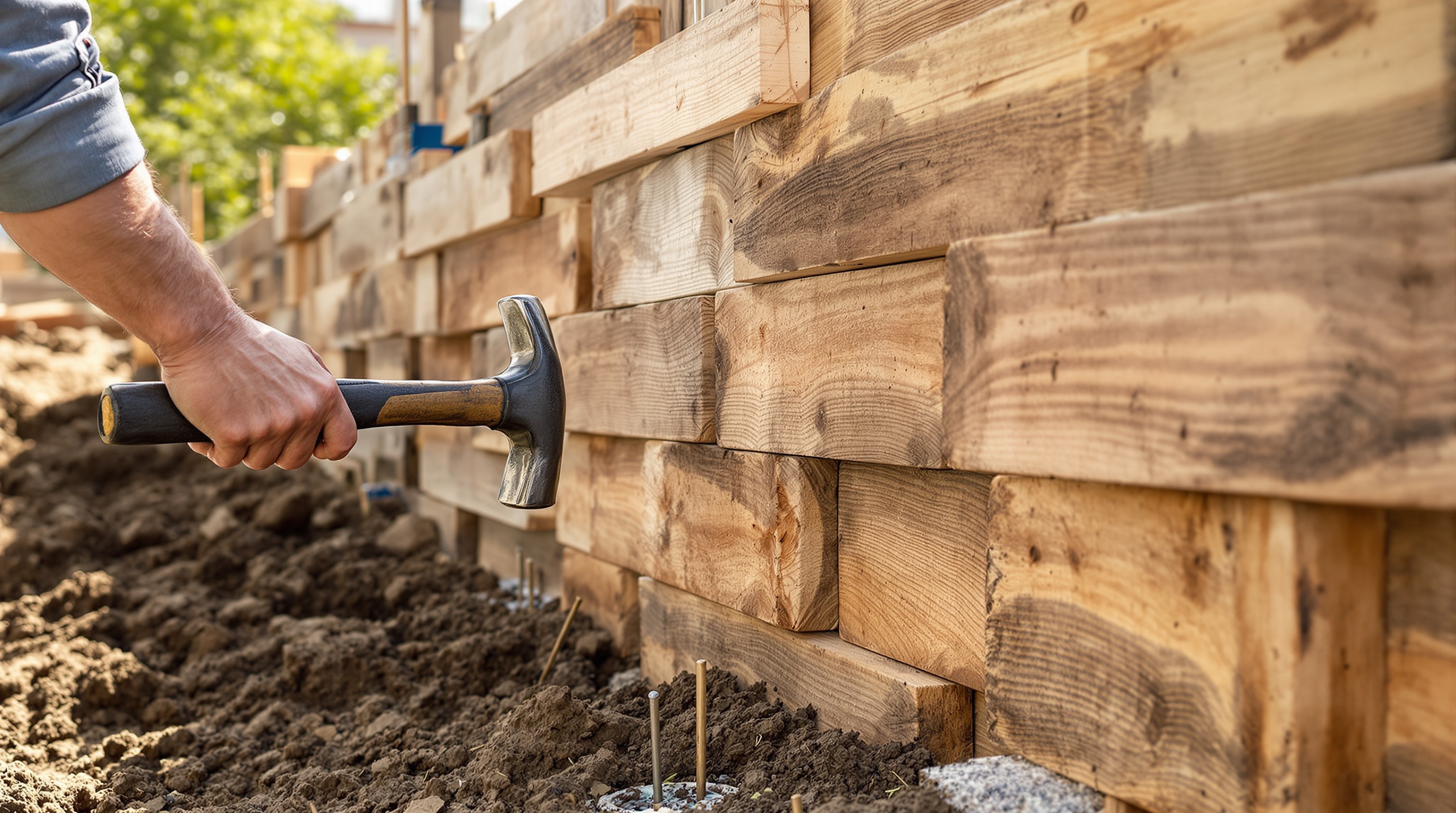
- Use a Center Punch: When drilling metal or glazed tile, a bit will naturally "walk" or wander across the slick surface. Use a steel center punch and a hammer to create a small dimple. This gives the drill bit a physical seat to start the hole accurately.
- Tape for Depth Control: If you need to drill exactly two inches deep to install a wall anchor, wrap a piece of highly visible painter's tape exactly two inches up the shaft of your drill bit. Stop drilling the exact moment the tape meets the wall surface.
- Clear the Flutes: When drilling deep holes, especially in dense lumber, repeatedly pull the spinning bit out of the hole every few seconds. This clears the packed sawdust from the flutes, preventing binding and overheating.
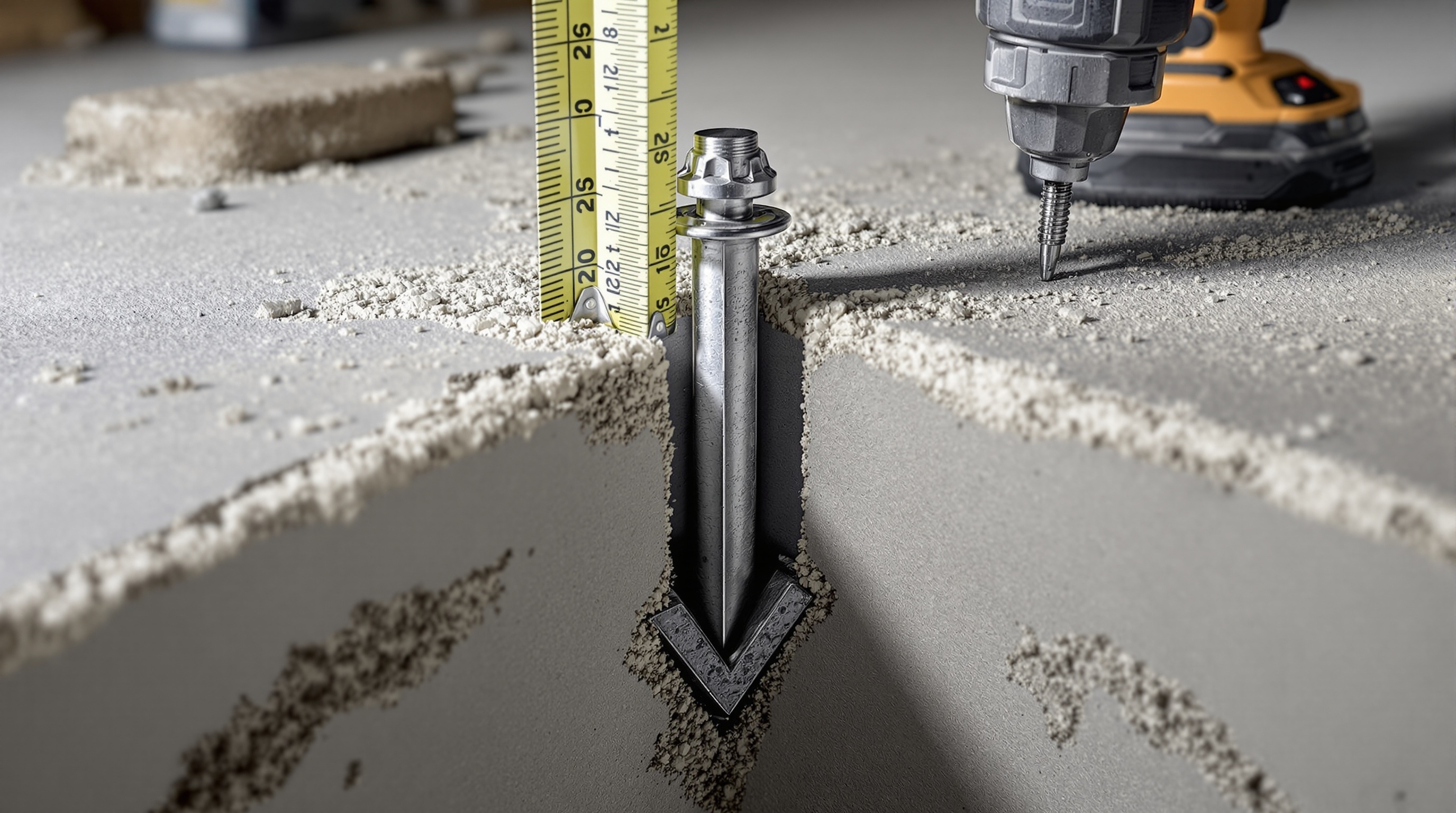
- Mind Your Anchors: When hanging heavy loads in garages or basements, standard plastic drywall anchors will fail. Drilling into masonry requires the correct hammer drill setting and a dedicated carbide bit. Understanding how to properly set various types of concrete anchors will ensure your heavy shelving stays mounted securely to block and slab walls.
Buying Advice: Choosing a Drill That Minimizes Errors
If you are struggling with poor drill performance, your tool might actually be lacking the foundational features required for precision work. When purchasing a new drill for home maintenance and DIY construction, avoid the ultra-cheap, big-box store bargain bins.
Look for a drill featuring a brushless motor. Brushless technology runs cooler, provides significantly longer battery life, and adjusts power delivery based on resistance. You also need to pay close attention to the chuck mechanism. An all-metal ratcheting chuck grips cylindrical twist bits vastly better than cheap plastic variants, preventing the bit from spinning loosely in the jaws under heavy loads. If you are uncertain about tool compatibility, educating yourself on standard drill chuck sizes is crucial—a 1/2-inch chuck is standard for heavy-duty work, while 3/8-inch chucks are relegated to lighter-duty 12V tools.
Finally, do not buy a tool without fully grasping its capabilities. Before investing in an expensive professional-grade platform, take the time to learn about evaluating RPM, torque, and voltage specs to ensure you are buying a drill matched to your actual workload.
Conclusion
Mastering a power drill is a fundamental skill for any homeowner, but it requires moving beyond the "point and shoot" mentality. By matching your drill speed to the application, utilizing the clutch, pre-drilling pilot holes, and choosing the absolute correct bit for the material, you eliminate the frustrating mistakes that ruin projects. Treat your drill as a precision instrument rather than a blunt force tool, and your hardware, materials, and drill bits will perform exactly as they were engineered to.